Accessibility Tools

Our Services Advanced Care for a Healthier Heart

We provide comprehensive in-office testing to get to the correct diagnosis.
Here are more reasons why you choose to do business with us.

HeartCare4life - Dr. Vimal Nanavati - Board Certified in Cardiology and Interventional Cardiology
32 Years of Experience Years of Experience

Dr. Vimal Nanavati Board Certified in Cardiology and
Interventional Cardiology

Board Certified in Cardiology and Interventional Cardiology, Dr. Vimal Nanavati is an Interventional Invasive Cardiologist residing in Redding, California. He was recruited to Northern California from Ohio in 1997 to initiate a quality Cardiology Program for the people living on the Northern Coast of California.

Advanced Lipid Testing

Advanced Lipid Testing

Evaluation of cardiovascular risk by measuring particle size, particle number, inflammation markers, and genetic contributors to cholesterol abnormalities. This comprehensive assessment helps identify hidden risks, personalize treatment plans, and guide targeted therapies to better prevent heart attack, stroke, and long-term cardiovascular disease.

Minimally Invasive Coronary Stenting

Minimally Invasive Coronary Stenting

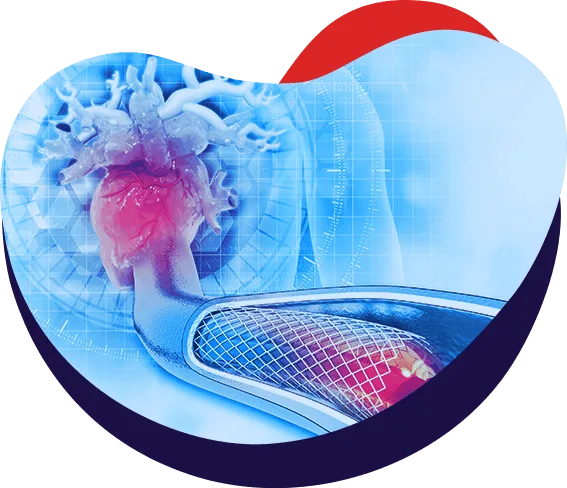
Procedure used to open narrowed or blocked coronary arteries. A small mesh tube, called a stent, is placed to keep the artery open, restoring blood flow to the heart. It relieves chest pain, reduces heart attack risk, and improves overall cardiac function.

Structural Heart Procedures Left Atrial Appendage Closure

Structural Heart Procedures Left Atrial
Appendage Closure

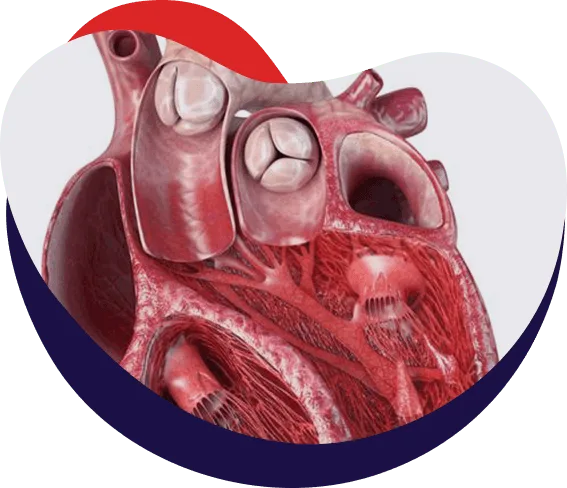
Left atrial appendage closure (LAAC) is a minimally invasive procedure that helps prevent strokes in patients with atrial fibrillation. A small device seals off a small heart pouch called the left atrial appendage, reducing the risk of blood clots. It’s an alternative for patients who cannot take long-term blood thinners

Happy Patient
Five Stars

Testimonials Happy Patients

  • I have been a patient of Dr Nanavati for almost 15 years. During that time he has treated me with the most care and respect. He has ensured that I received the best of care and explained the reasoning of all tests and procedures plus ensuring all me...

    ~ D G ~
  • Dr Nanavati was such pleasure to work with. He gave my dad a thorough exam, but also took the time to listen to our concerns and questions. His patient care is the best I’ve ever experienced.

    ~ R D ~
  • Very Knowledgeable Dr who cares so much for each of his patients. He will give you the best care. Must try to him to see.

    ~ S H ~

Seven Risk Factors for Heart Attack

Family History

A family history of heart disease can increase your risk of a heart attack. If close relatives have experienced cardiac conditions, especially at a younger age, it is important to discuss your family medical history with your doctor to better understand your personal risk.

High Blood Pressure

High blood pressure places added strain on the heart and blood vessels, increasing the risk of heart attack over time. Monitoring your blood pressure regularly and managing it through lifestyle changes or medication can help protect your heart.

Diabetes

Diabetes affects how the body processes sugar and can damage blood vessels that supply the heart. Poorly controlled blood sugar significantly raises heart attack risk, making proper diabetes management essential for long-term cardiovascular health.

High Saturated Fat & Cholesterol Diet

A diet high in saturated fats and cholesterol can lead to plaque buildup in the arteries, restricting blood flow to the heart. Adopting heart-healthy eating habits can help reduce cholesterol levels and lower heart attack risk.

Sedentary Lifestyle

A lack of physical activity can weaken the heart and contribute to weight gain and poor circulation. Regular exercise helps strengthen the heart, improve blood flow, and reduce the risk of heart attack.

Smoking

Smoking damages blood vessels and reduces oxygen levels in the blood, increasing the likelihood of heart attack. Quitting smoking can rapidly improve heart health and significantly lower cardiovascular risk.

Narcotic Drugs

The use of narcotic or illicit drugs can place extreme stress on the heart and disrupt normal rhythms. Avoiding drug use and seeking medical support when needed can greatly reduce the risk of sudden cardiac events.


Instagram

Instagram
  • Instagram Post1
  • Instagram Post2
  • Instagram Top Post3 Instagram Bottom Post3

Office Locations Schedule Your Appointment Today

Practice Hours

Mon - Thu : 9:00 am - 5:00 pm
Friday : 9:00 am - 12:00 pm
Saturday : Northern California only
(Selected Saturdays only) Sunday : Closed

Expert Health Consultation, Any Time, Anywhere Appointment Processes for
International Patients UK